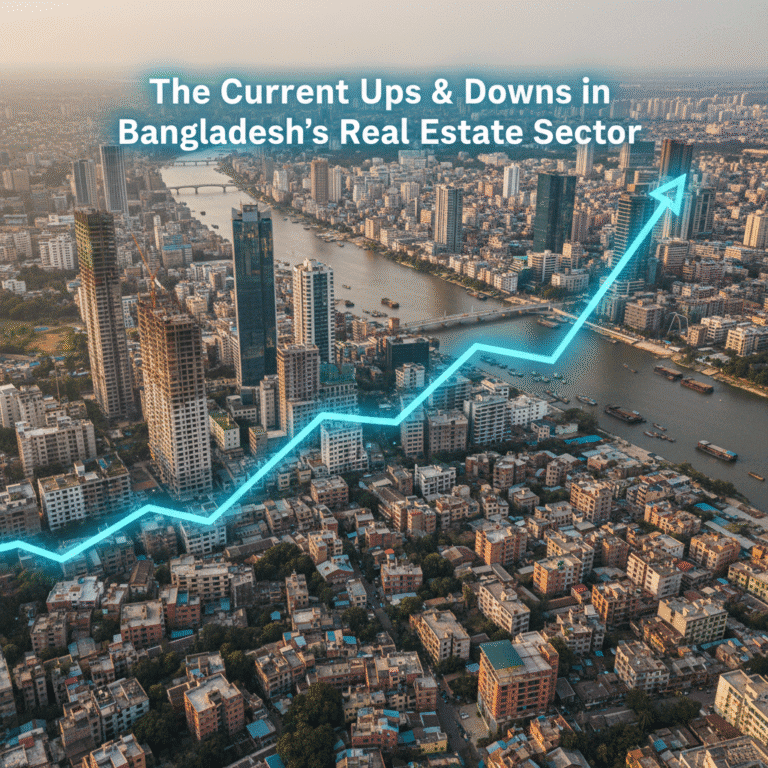
The Current Ups & Downs in Bangladesh’s Real Estate Sector
The real estate sector in Bangladesh has gone through noticeable highs and lows in recent years. While growth has been strong and steady in some areas, several challenges continue to test the industry’s resilience. For investors, developers, and homebuyers, understanding these shifts is essential to navigate the market strategically and make informed decisions.
The Growth Story of Bangladesh’s Real Estate Sector
Despite economic headwinds, Bangladesh’s property market continues to expand. A mix of demographic, policy, and financial factors has fueled this growth:
1. Rapid Urbanization and Population Growth
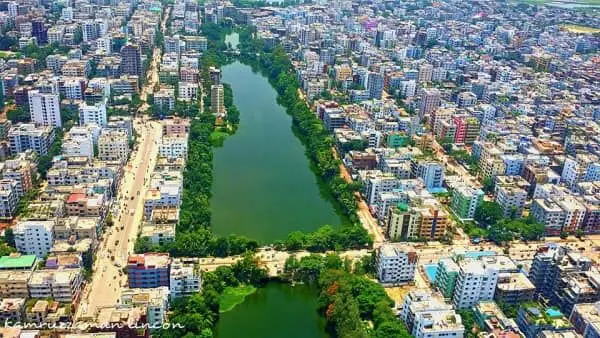
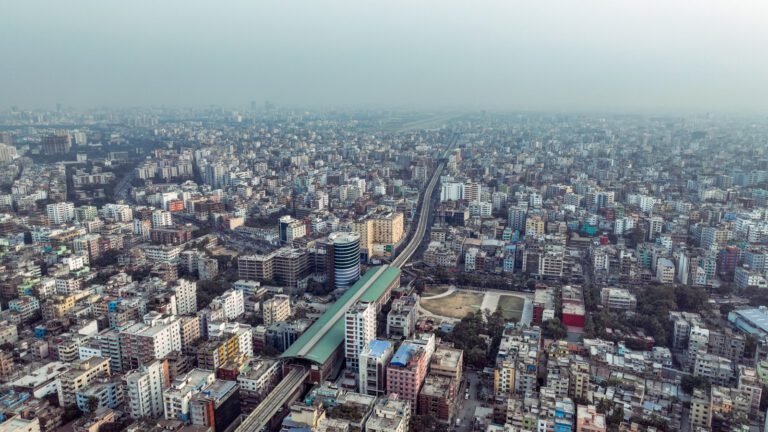
As more people migrate to cities for work and better living conditions, the demand for housing and commercial spaces has surged. Metropolitan areas like Dhaka and Chattogram are witnessing rapid expansion, supported by ongoing infrastructure projects such as metro rail, expressways, and new townships — all driving the real estate boom.
2. Government Support and Incentives
Government initiatives have played a vital role in sustaining growth. Reduced registration fees, tax reliefs, and easier access to housing loans at lower interest rates have encouraged both developers and buyers to stay active in the market.
3. Expanding Middle Class and Stronger Purchasing Power
The rise of a vibrant middle class with higher disposable income has reshaped the housing market. Modern apartments, gated communities, and mixed-use developments are increasingly popular, reflecting changing lifestyles and aspirations.
Challenges and Market Downturns
Despite the overall growth, the sector faces several obstacles that need attention:
1. Escalating Construction Costs
The continuous increase in prices of construction materials — such as cement, steel, and bricks — has significantly raised development costs. This directly impacts property affordability and profit margins for developers.
2. Limited Land Availability and Soaring Prices
In dense urban centers like Dhaka, land scarcity is a major challenge. With prime plots becoming more expensive, new project feasibility becomes increasingly difficult, pushing housing prices further upward.
3. Regulatory and Bureaucratic Hurdles
Lengthy approval processes, inconsistent urban planning, and the absence of effective zoning laws often delay projects. Developers face complex procedures that slow down growth and affect investor confidence.
4. Economic Instability and Inflation
Global and domestic economic pressures have reduced consumer purchasing power. Inflation and currency fluctuations have caused many potential buyers to delay their property investments, resulting in slower sales across several market segments.
Looking Ahead: The Future of Real Estate in Bangladesh
Despite short-term turbulence, the long-term outlook remains optimistic. With continued urbanization, major infrastructure upgrades, and proactive policy measures, the sector is expected to regain momentum. Developers who adapt to sustainable practices and evolving buyer preferences are likely to thrive in the coming years.
Final Thoughts
Real estate remains a cornerstone of Bangladesh’s economic progress. While current challenges have slowed the pace, the sector’s strong fundamentals and growth potential remain intact. For anyone involved — whether a homebuyer, investor, or developer — staying informed about emerging trends and market realities will be key to success in this evolving landscape.
Explore Shonkho
Lorem ipsum dolor sit amet, consectetur adipiscing elit. Ut elit tellus pulvinar dapibus leo.