


How Metro Systems Transform Property Markets
Urban growth and real estate trends often go hand in hand — but when a city introduces a major transit infrastructure such as a metro rail system, the effect on property markets can be particularly dramatic. Metro rail is more than simply a transport upgrade: it reshapes how people live, where they choose to buy or rent, and how real estate values evolve.
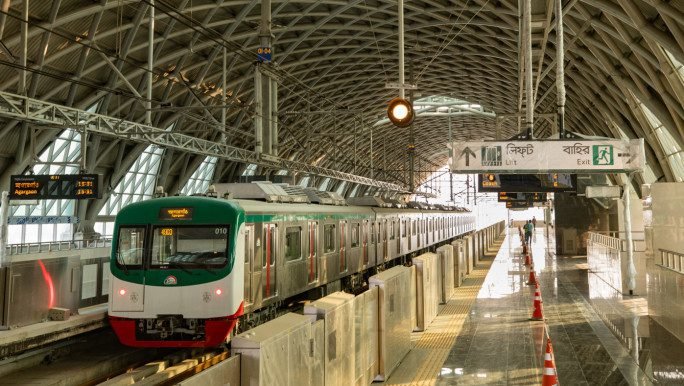
- Enhanced Accessibility & the Ripple Effect
- In Wuhan, China, research found that as distance from the subway station increases, unit prices fall — “the closer the house is to the subway, the higher the unit price.”
- A survey on the Indian context explained that improved transit access, better amenities and income effects all drive higher property values around metro stations.
- Proximity Premium: “Walking Distance” Matters
- In India, one article states that properties within ~500 metres of a metro station increased in land value by around 11.3% for residential and 18.1% for commercial uses.
- A study in Bengaluru found that for the Namma Metro, longer years of operation and closer proximity to stations significantly raised residential property values.
- Rental Yields: Investors and Tenants Take Note
- Demand Shifts: From Central Clusters to Emerging Corridors
- Buyers and renters gain more choices.
- Developers can target growth in less saturated corridors.
- Commercial & Mixed-Use Growth Alongside Residential Gains
- Case Studies from Around the World
- Challenges & Uneven Effects
- Noise, congestion or nuisance near stations: In some cases, properties immediately adjacent to elevated tracks or station infrastructure may suffer from noise, shading or crowd-effects — which can offset some premium.
- Distance decay: The premium falls the further you are from a station. Also, if connectivity to the station still involves long walks or transfers, the benefit is diminished.
- Affordability and displacement risk: As prices rise near stations, lower-income renters or buyers may get priced out, pushing them to more peripheral zones. In effect, accessibility improvements can exacerbate affordability issues.
- Over-commercialization / unplanned growth: If transit-oriented zones grow too rapidly without planning, infrastructure and amenity strain (traffic, parking, open space) may reduce liveability.
- Station attributes vary: Not all stations are equal — station type (e.g., major interchange vs small stop), presence of parking/feeder-services, surrounding amenities all influence how strong the value boost is.
- Long-Term Outlook for Cities and Developers
- Developers will increasingly market proximity to metro as a core selling point.
- Cities will channel growth along transit corridors, favouring mixed-use TODs rather than sprawling suburbs.
- Early-mover investors in newly connected areas often capture the strongest gains — once connectivity fully matures, price acceleration may moderate. (The “infrastructure maturity effect.”)
- Urban planners and governments will need to balance accessibility gains with affordability safeguards and infrastructure capacity, to avoid creating new bottlenecks (e.g., station-area congestion, parking overflow, gentrification).
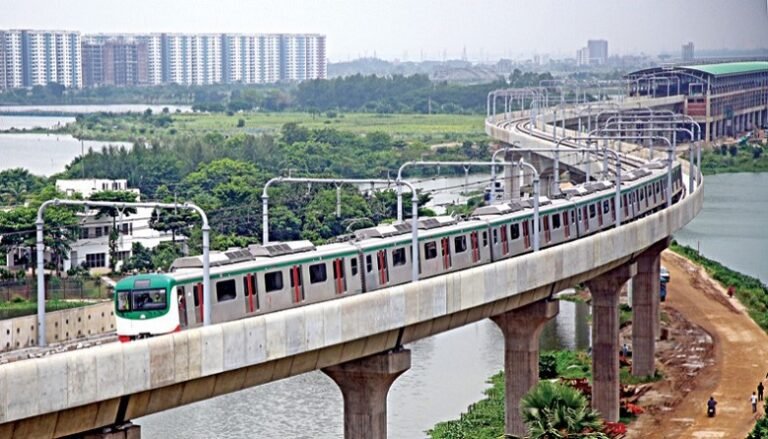
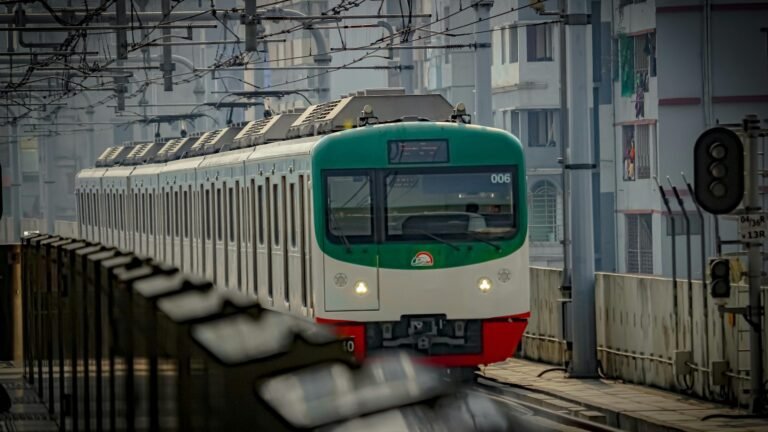
- For cities like Dhaka, where traffic congestion is severe and rapid urbanisation is underway, metro systems provide a major lever for shaping more sustainable, livable growth.
- What It Means for Real Estate Stakeholders
- Home-buyers / Renters: Choosing a property near a metro station is often a smart move — you gain convenience, likely better appreciation, and stronger rental demand if you ever rent it out. But watch for trade-offs (noise, cost).
- Investors / Developers: Identify corridors where metro expansion is planned or newly operational. These zones often present stronger upside. Also evaluate station characteristics, walkability, surrounding amenities — these amplify value.
- Urban planners / Policy-makers: Use metro corridors to steer growth, promote mixed-use development, and capture part of the value uplift (through land-value capture, appropriate zoning, infrastructure contribution). Ensure transit planning goes hand in hand with real estate growth.
- Cities like Dhaka or emerging metros: For your platform (Shonkho) and your real-estate focus, metros present a powerful narrative. Properties along metro lines or projected lines are high-interest; you’ll want to highlight connectivity, projected appreciation, and transit-oriented potential in your content and listings.
Conclusion
Metro rail systems are far more than transport infrastructure — they are powerful catalysts for real estate transformation. They reshape commuting patterns, expand the geography of viable living, and shift demand toward well-connected zones. From enhanced accessibility, proximity premiums, boosted rental yields, to mixed-use growth and urban corridor development — the ripple effects are widespread.
That said, the premium is not automatic nor uniform: station quality, walkability, surrounding amenities, local planning and affordability constraints all matter. For real-estate professionals, investors, and policymakers alike, understanding the “metro rail effect” is key to navigating modern urban markets.
As cities expand their metro networks, the real-estate value chain around those transit lines will only grow more significant. Whether you are buying, listing, advising, or building platforms like Shonkho — metro connectivity is a story worth telling, a feature worth highlighting, and a trend worth leveraging.

Explore Shonkho
Lorem ipsum dolor sit amet, consectetur adipiscing elit. Ut elit tellus pulvinar dapibus leo.

Ready Flats
Lorem ipsum dolor sit amet, consectetur adipiscing elit. Ut elit tellus pulvinar dapibus leo.

Ongoing Flats
Lorem ipsum dolor sit amet, consectetur adipiscing elit. Ut elit tellus pulvinar dapibus leo.

Interior Designs
Lorem ipsum dolor sit amet, consectetur adipiscing elit. Ut elit tellus pulvinar dapibus leo.