

Is It a Good Idea to Invest in an Apartment in Dhaka’s Suburbs?
Rising Demand for Suburban Living
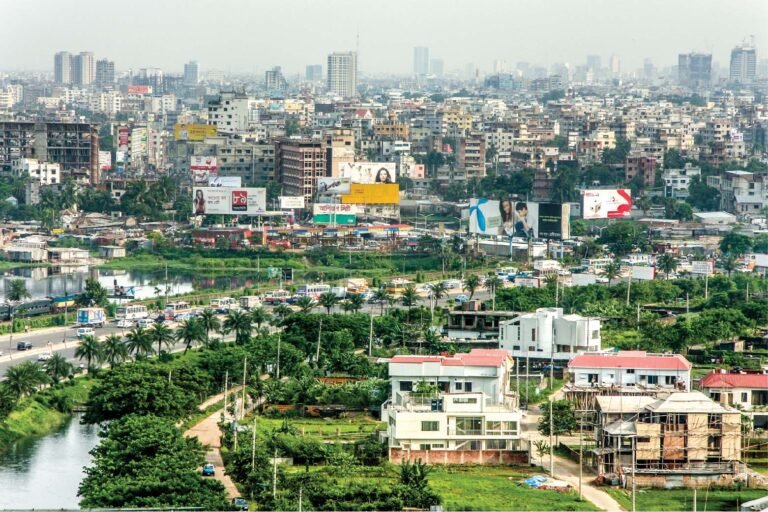
Over the past decade, suburban regions like Uttara, Purbachal, Bashundhara (extended areas), Mirpur outskirts, Keraniganj, and locations along the Dhaka-Mawa Expressway have witnessed a remarkable rise in housing demand.
The main reason is simple — people want more space, greenery, and peace. Young professionals and families are increasingly preferring neighborhoods with cleaner air, lower noise, and better quality of life.
Land in suburban areas is still much cheaper than in central Dhaka, allowing developers to design modern apartment complexes with larger spaces and more facilities at affordable prices. These developments often come with community halls, playgrounds, rooftop gardens, and other lifestyle amenities that were once limited to luxury zones.
Improved Infrastructure and Connectivity
One of the biggest advantages of investing in the suburbs is the tremendous improvement in connectivity. The expansion of Dhaka’s infrastructure is making suburban living more practical than ever before.
Major projects such as the Dhaka Metro Rail (MRT Line-6), Elevated Expressway, Bus Rapid Transit (BRT), Purbachal Expressway, and the Padma Bridge have significantly reduced travel time between suburban zones and the city center.
For example, the MRT Line-6 now connects Uttara to Motijheel, turning long commutes into short, hassle-free rides. Likewise, the Padma Bridge has opened up Keraniganj and Mawa as promising real estate frontiers. These developments mean that investing in a suburban apartment no longer equals living far away — rather, it combines peaceful living with urban convenience.
Affordability and Value for Money
Property prices in suburban Dhaka remain far more affordable than in elite areas like Banani, Dhanmondi, Baridhara, or Gulshan. A buyer can get a larger, well-designed apartment with modern features in the suburbs for a fraction of the cost of a smaller flat in central Dhaka.
For middle-income families, this offers an opportunity to own spacious homes within their budget. For investors, it presents strong long-term appreciation potential. As more people migrate toward these developing zones, prices will naturally rise — giving early investors the advantage of significant capital gains in the future.
Expanding Commercial and Social Infrastructure
The days when suburban areas lacked essential facilities are gone. Today, most suburban neighborhoods are rapidly transforming into self-sufficient communities.
Top schools like Scholastica, DPS STS, and North South University now have campuses in or near suburban zones. Reputed hospitals such as Evercare and United Hospital (satellite branches) are expanding their services outside Dhaka’s core.
Additionally, supermarkets, restaurants, and shopping centers like Shwapno, Meena Bazar, and Unimart are opening suburban outlets. These developments are making suburban living not just practical — but also desirable.
Planned Townships and Gated Communities
Modern suburban projects are often designed as master-planned townships rather than individual buildings. Developers are focusing on creating integrated lifestyles — with green spaces, community clubs, rooftop amenities, and children’s play zones.
For example, Purbachal New Town has been developed with zoning schemes, wide roads, and planned utility infrastructure — setting the stage for a smart, organized suburban hub. As Dhaka continues to expand outward, these well-planned neighborhoods are becoming the new face of modern urban living.
Rental Income Potential
While central Dhaka still commands higher rents, suburban apartments are rapidly becoming attractive to young professionals, small families, and even startups seeking larger, affordable spaces.
Improved transport links and upgraded facilities are increasing demand for suburban rentals. For investors, this means steady rental income with the potential for consistent occupancy rates. As the population of Greater Dhaka keeps growing, the rental market in suburban areas is expected to strengthen further.
Simpler Legal Processes and Fewer Regulatory Barriers
Buying property in Dhaka’s suburbs is often easier than in the overcrowded central zones. Suburban land usually has clearer ownership titles, fewer disputes, and faster government approvals.
Additionally, with government incentives and development focus shifting toward suburban growth, these areas are becoming more investor-friendly and transparent for real estate transactions.
Key Things to Consider Before Investing
While the opportunities are promising, investors should still exercise caution and due diligence:
-
Developer Reputation: Choose trusted and reputed developers known for quality construction and on-time handovers.
-
Location Research: Not all suburbs have equal potential — study ongoing and upcoming infrastructure projects nearby.
-
Amenities & Maintenance: Ensure the complex offers essential facilities, reliable management, and maintenance systems.
-
Future Resale Value: Opt for properties located near major roads, transport corridors, or educational and commercial hubs for better long-term appreciation.
Final Thoughts
Investing in an apartment in Dhaka’s suburbs is no longer just an alternative — it’s a strategic move for long-term growth. With expanding infrastructure, affordable pricing, and rising demand for suburban lifestyles, these areas are quickly becoming the next frontier of real estate development.
Whether you are a first-time buyer, a long-term investor, or someone seeking a peaceful yet connected lifestyle, Dhaka’s suburbs — from Purbachal to Keraniganj, Uttara to Mawa — have plenty to offer.
As the city continues to expand outward, those who invest early will be the ones to enjoy the greatest rewards — both in returns and in quality of life.

Explore Shonkho
Ready Flats

Ongoing Flats